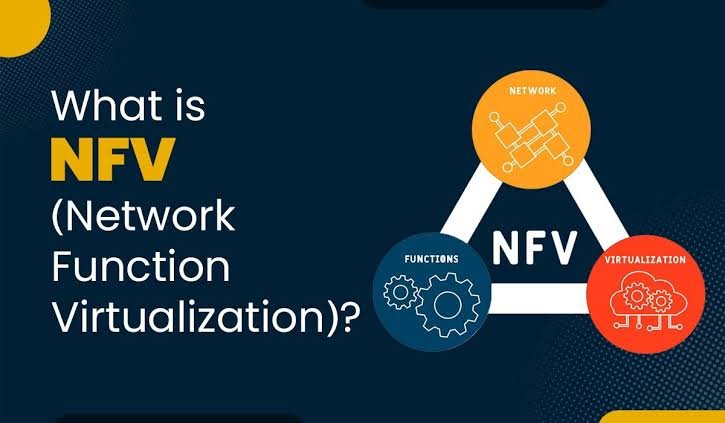
Network Function Virtualization (NFV) replaces expensive, proprietary hardware appliances with agile, software-based network functions running on standard virtualized servers.
Enterprises are shifting away from rigid middleboxes to dynamic virtualized environments, enabling rapid auto-scaling, automated provisioning, and centralized orchestration.
Leading CTOs and network architects leverage ETSI-compliant NFV frameworks to consolidate firewalls, routing, and SD-WAN into unified virtual infrastructure.
Essential intelligence for CTOs, CISOs, network architects, and IT leaders driving enterprise infrastructure transformation.
- NFV architecture & ETSI standards
- CAPEX & OPEX reduction models
- Virtual VNF deployment strategies
- SD-WAN and edge orchestration
This technical intelligence brief delivers actionable frameworks to decouple network services and optimize enterprise infrastructure agility.
✔ CAPEX & OPEX optimization analysis
✔ VNF orchestration roadmap
✔ Virtualized security best practices
✔ Executive implementation guidance