Cybersecurity Intelligence Report

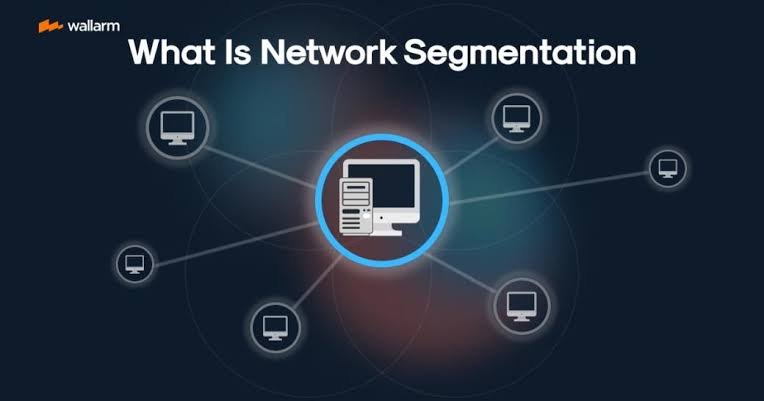
Flat networks accelerate lateral threat movement—microsegmentation is mandatory for Zero Trust perimeter control and compliance.
Legacy perimeter security models fail when attackers breach outer defenses and move unchecked across flat corporate networks.
Enterprise network segmentation isolates critical workloads, restricts unauthorized lateral movement, and enforces granular access policies across hybrid infrastructures.
Isolating critical assets into software-defined micro-perimeters transforms unverified network access into a fully contained, Zero-Trust environment.
Security architectures must transition to software-defined microsegmentation to neutralize threat propagation, protect core databases, and maintain regulatory compliance.
⚠ Within the next 12–24 months, enterprises operating flat or loosely segmented networks risk catastrophic ransomware propagation and multimillion-dollar regulatory fines.
Designed specifically for CISOs, CTOs, infrastructure heads, and security architects mitigating enterprise threat vectors.
- Microsegmentation architecture design
- Zero-Trust enforcement policies
- Lateral movement containment strategies
- Hybrid cloud compliance framework
This report offers actionable frameworks to architect, deploy, and enforce scalable network segmentation strategies across complex enterprise environments.
Enterprise Network Segmentation Strategy Report
Contain cyber threats and enforce Zero-Trust controls across your entire infrastructure.
✔ Lateral movement containment framework
✔ Microsegmentation deployment roadmap
✔ Compliance & blast-radius control
✔ Executive security recommendations
Download Full Report✔ Lateral movement containment framework
✔ Microsegmentation deployment roadmap
✔ Compliance & blast-radius control
✔ Executive security recommendations