Enterprise IoT Strategy Intelligence Brief

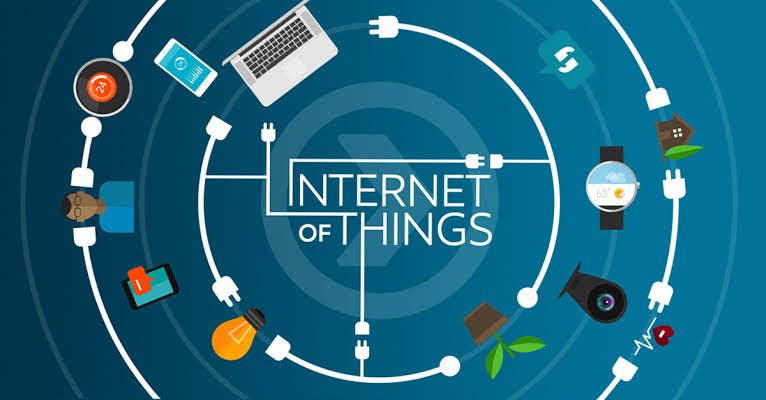
Sustainable enterprise IoT strategies turn connected devices into measurable business value without escalating security, integration, and operating costs.
Enterprise IoT has moved beyond isolated pilots to connected operations spanning assets, facilities, supply chains, and industrial systems.
For technology leaders, sustainable growth now depends on aligning business outcomes with scalable architecture, reliable data, security, and long-term operational ownership.
Executive takeaway: IoT sustainability is not about connecting more devices; it is about delivering measurable outcomes through secure, interoperable, and manageable systems.
Successful strategies connect use cases to business KPIs, establish data governance, integrate legacy infrastructure, and assign clear ownership for deployment and ongoing operations.
⚠ Over the next 3–5 years, disconnected IoT deployments can compound integration costs, expand attack surfaces, and leave enterprise teams managing incompatible systems that fail to deliver expected returns.
Built for CIOs, CTOs, operations executives, and security leaders shaping enterprise-wide IoT investment and modernization decisions.
- Business-aligned IoT use cases and KPIs
- Scalable architecture and interoperability
- Device security and data governance
- Lifecycle costs and operational accountability
Learn how enterprise IoT leaders approach long-term value, resilient deployments, and scalable connected operations.
Enterprise IoT Strategy & Sustainability Blueprint
Strengthen IoT investment decisions with practical guidance for scalable, secure, business-aligned deployments.
✔ Sustainable IoT strategy principles
✔ Architecture and integration priorities
✔ Security and governance considerations
✔ Long-term value and operational guidance
Access Intelligence Brief✔ Sustainable IoT strategy principles
✔ Architecture and integration priorities
✔ Security and governance considerations
✔ Long-term value and operational guidance