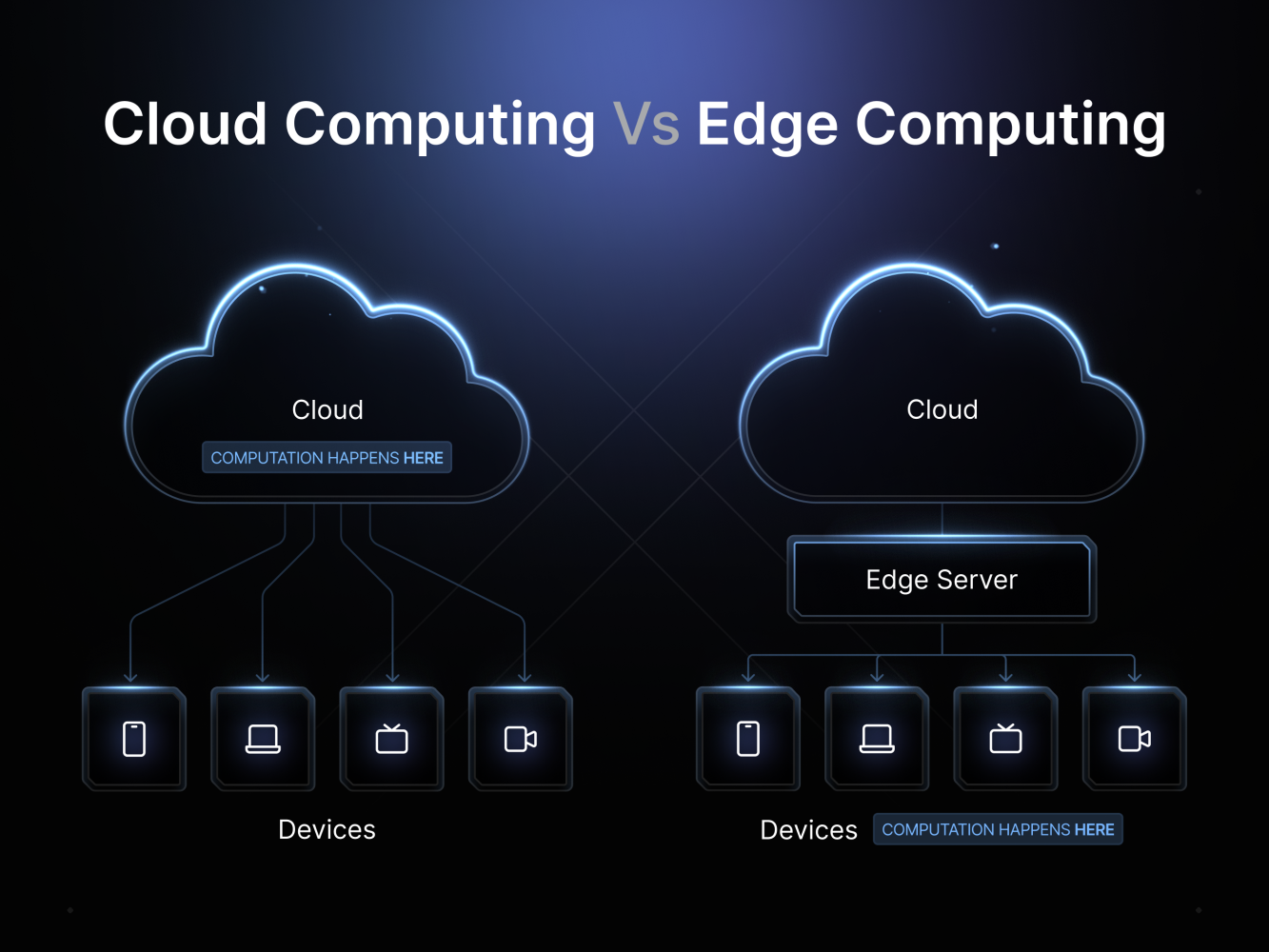
Centralized cloud architectures are no longer sufficient for high-frequency telemetry, distributed IoT, and low-latency operational workloads.
Enterprise teams are migrating deterministic processing to the network periphery to eliminate backhaul costs, bypass bandwidth chokepoints, and ensure sub-millisecond execution.
Architecting localized processing nodes enables autonomous site operations, deterministic compute pipelines, and localized data governance without persistent cloud dependency.
Designed for CTOs, CIOs, CISOs, and enterprise infrastructure leaders architecting resilient, distributed hybrid compute topologies.
- Distributed edge fabric design
- Sub-millisecond data processing
- Bandwidth and egress cost containment
- Zero Trust edge security models
This intelligence brief delivers the strategic blueprint required to architect, scale, and govern resilient decentralized edge compute fabrics across enterprise infrastructure.
✔ Workload distribution & node topology models
✔ Edge latency and bandwidth optimization blueprints
✔ Periphery Zero Trust security architectures
✔ Executive deployment & TCO roadmaps