Private 5G Enterprise Intelligence Brief

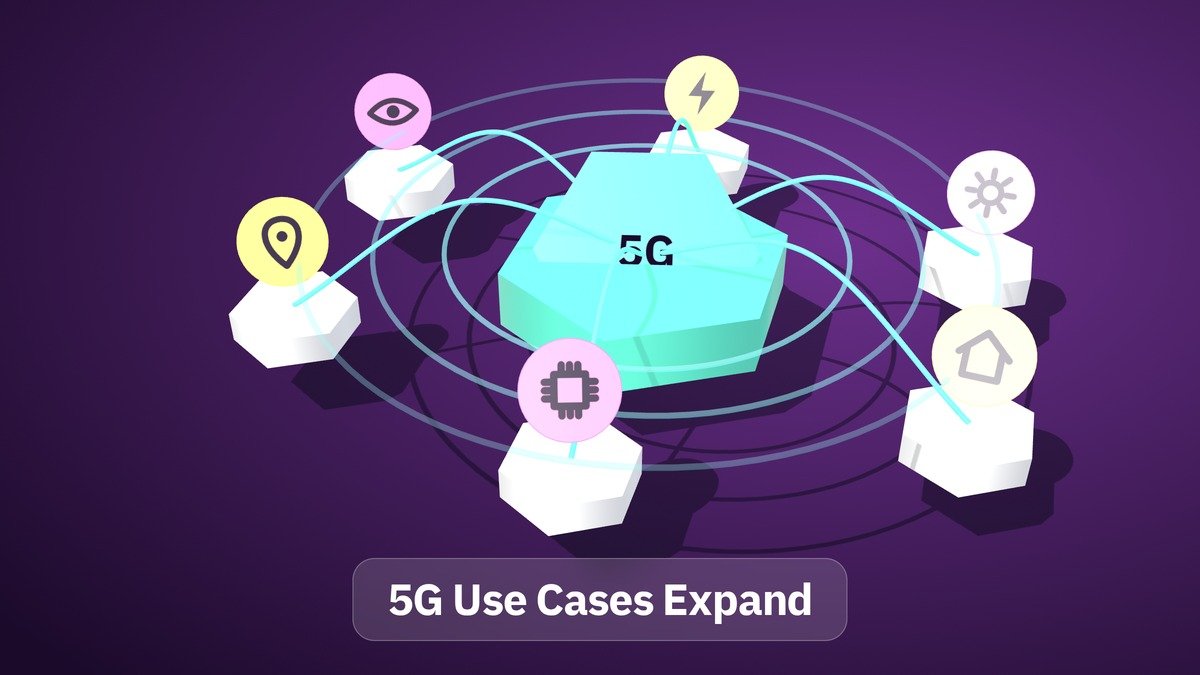
Private 5G is moving enterprise connectivity beyond traditional networks—unlocking real-time operations, resilient infrastructure, and new business capabilities.
Private 5G is maturing from specialized deployments into a strategic connectivity option for industrial and enterprise environments.
As use cases expand, leaders are evaluating how dedicated wireless networks can support automation, mobility, and mission-critical operations.
Private 5G’s strategic value lies in connecting critical operations with predictable performance, stronger control, and greater operational flexibility.
Manufacturing, logistics, healthcare, and enterprise campuses are assessing private networks for applications that demand reliable coverage, low latency, and secure device connectivity.
⚠ Over the next 3–5 years, enterprises that delay connectivity planning may face fragmented infrastructure, costly integration, and slower automation—affecting operational continuity and competitive performance.
Designed for CIOs, CTOs, network architects, and digital transformation leaders evaluating next-generation enterprise connectivity.
- Private 5G enterprise use cases
- Network architecture and deployment considerations
- Industrial automation and IoT connectivity
- Security, scalability, and operational strategy
Build a clearer view of where private 5G can deliver measurable business value—and what enterprise teams must plan before deployment.
Private 5G Enterprise Strategy Brief
Evaluate emerging use cases and align connectivity investments with enterprise priorities.
✔ High-value deployment opportunities
✔ Infrastructure planning insights
✔ Enterprise security considerations
✔ Strategic implementation guidance
Access Intelligence Brief✔ High-value deployment opportunities
✔ Infrastructure planning insights
✔ Enterprise security considerations
✔ Strategic implementation guidance